Here in Egypt I have been taking time for review. We have been asked as part of tertianship to review our entire lives, in fact. It is an intense and personal journey with God, as one might imagine. But that bigger work allows time to do some smaller reviews, including sharing some more details of my travels in September. So I hope to do a series of posts about those, interspersed with some updates from Alexandria, Egypt, where I am currently.
One of the things that people have been saying to me repeatedly during the leadup to this year of tertianship has been “take lots of pictures.” In our world of media and sensory overload, and in my own self-examination about how much I am seduced by the visual, by the videographic, and by the abstracted that pulls me away from the here and now, I have felt some internal resistance to these people’s admonition: “Take lots of pictures.” I want to find myself in this year becoming more present to myself and to God, and not less. I want to go places to be conscious of God’s Spirit breathing into me and into the Church. I do not want to be thinking about how this photo will look on the web or on someone’s phone or in the future.
But I started to change my mind about “take lots of pictures” when I began to hear it from a couple of new directions. In the first place, I heard it as my friends’ real desire to go with me in a virtual way and to have me share the experience and the grace of these months with them. It was an expression of their love for me and for the gifts that I would experience. They were not wanting to take me away from these experiences but to go with me into them, whenever I would have the occasion to share those graces with them. In a related way, I was talking with a friend who had studied for a summer in Athens many years ago, and he was saying that in his group were a number of people hoping to teach architecture and art history. They took trips around Greece and around Athens very seriously as a chance to build a set of photos and images that would be the foundation of their teaching for decades to come. Thus I began to see ahead of time that my own plans to visit so many ancient sites were a chance to build my own set of images that could be of a quality to induce awe, reverence, excitement, and interest in the topics of the ancient world and of ancient Christianity.
I have always had a great love of photography, thanks to my father’s great interest in it and enjoyment of it as a hobby. Thanks to him I learned to shoot with his manual SLR 35mm film camera and then in college got one of my own. I still treasure so many of the photos I took from that era, and the fundamentals of capturing light have stayed with me.
But in the era of smartphones much of my eye for light went away. The phone did much of that work for me, and though I still enjoyed capturing a particular angle or moment, I was no longer thinking so carefully about what I was seeing and how light was being managed and shaped by these devices. And my era of enjoyment in taking phone photos was short. As Twitter and Facebook collapsed under the weight of monetization I quit almost all of my social media accounts in 2014. The one I kept longest was Instagram. For a few years, it was a very fun place to share photos in a square format within the challenging constraints of smartphone cameras.
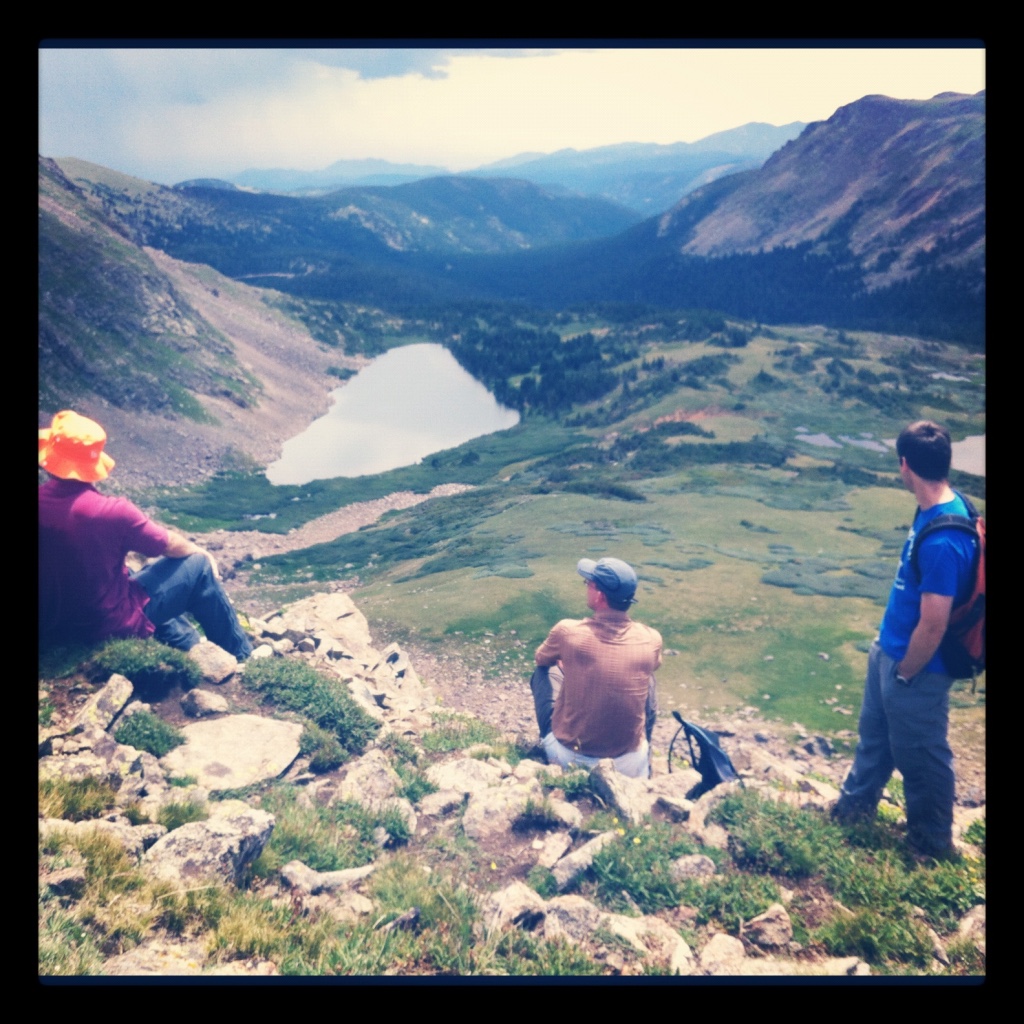
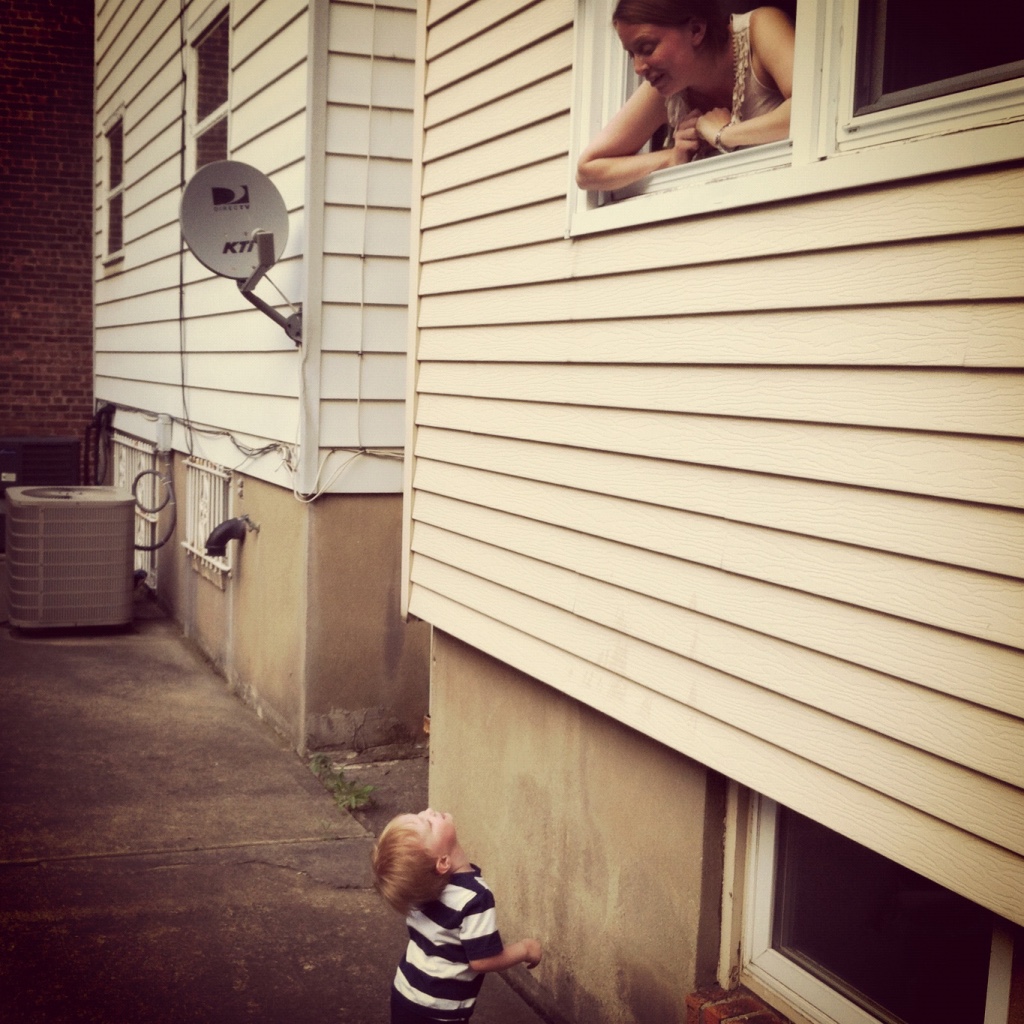
But when Instagram moved from a platform to share photos to a platform on which influencers sold things, I was not enjoying it anymore. I quit it around 2016. My family’s photo sharing, and the random texting of photos to friends, became my only outlets for photos.
So now, in this year of tertianship, I have been monitoring how I “take lots of photos.” I have been learning slowly how to stay present to the moment and how to think what photos might be moving or effective to share with friends and students. One trick that I discovered was to give myself enough time in a place, especially a Church, that I could walk through it twice. I tried this first in Hagia Sofia, the great ancient Church in Istanbul that is now a mosque. Only part of the building is open to non-Muslim visitors, and I went through it once, taking occasional photos but mostly reading placards and listening to the audio guides and absorbing the beauty. Then, I went back to the start and walked through the massive space another whole time concentrating on photos.
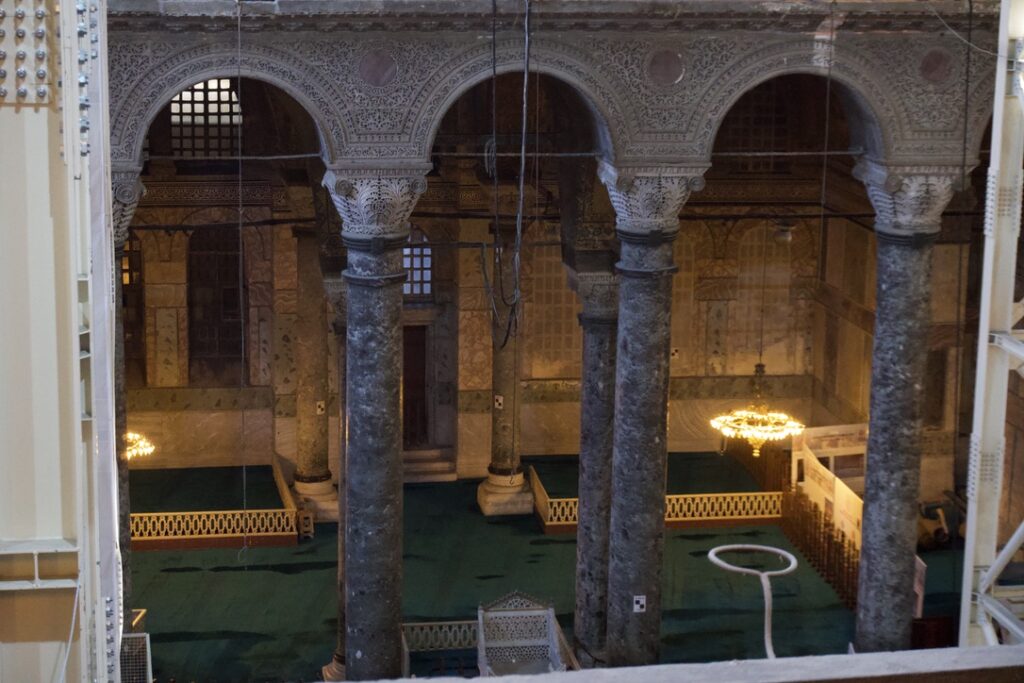
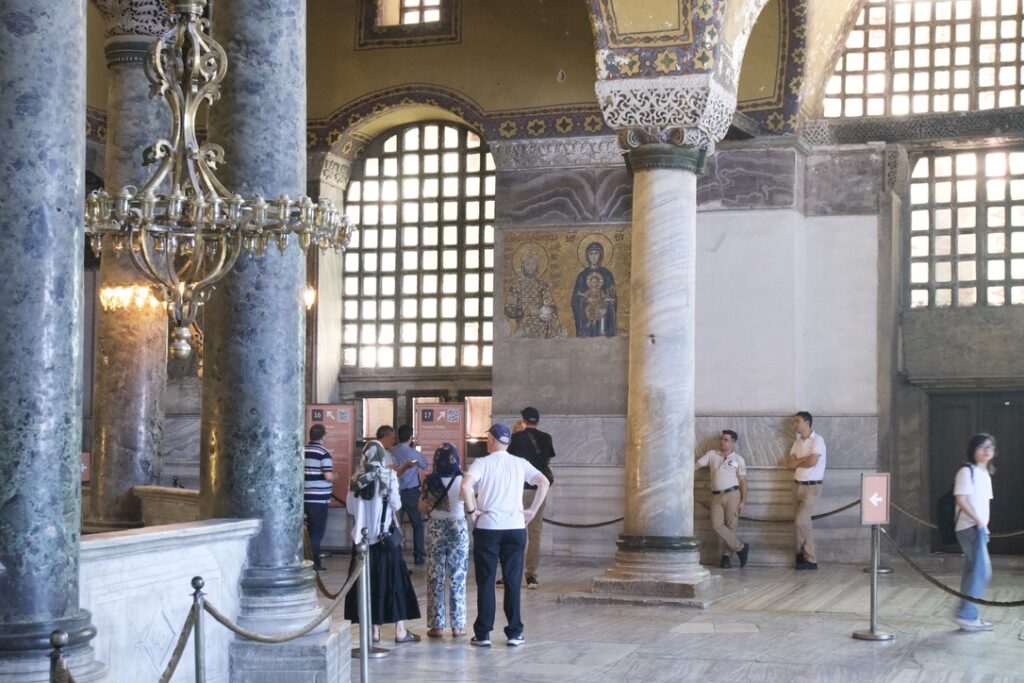
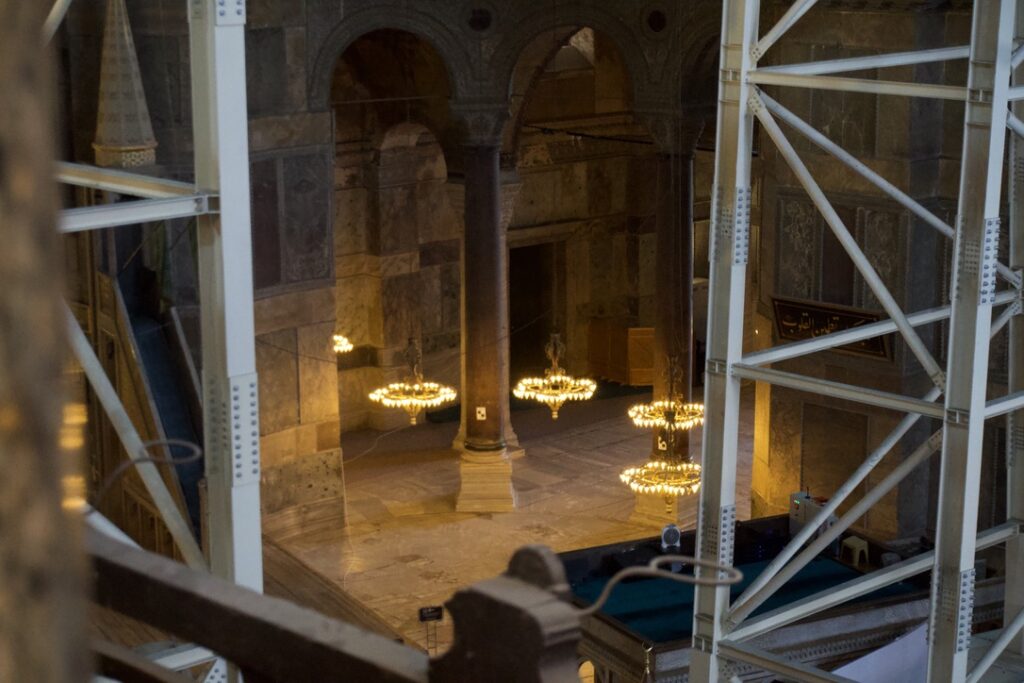
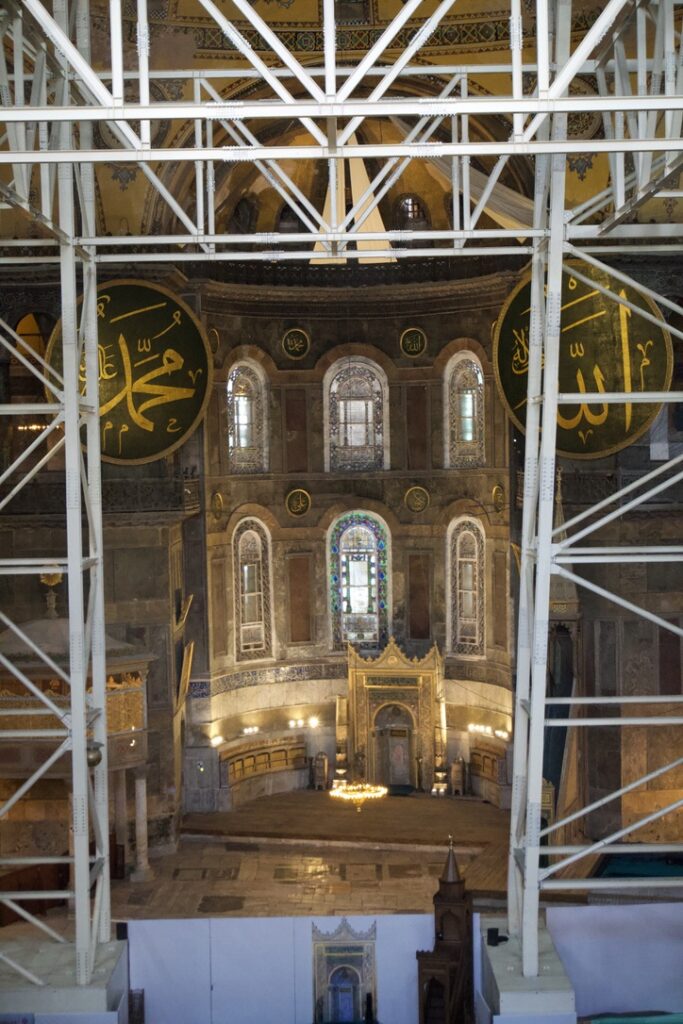
It was difficult to capture the space. There is construction going on in the nave, the main section of the building, and the massive dome is under repair, with the consequence that there is an expanse of cloth blocking one’s view up into the dome. Much of the building’s size was not visible. The first time through the space I was dealing with some disappointment at what seemed inaccessible, such as grandeur, awe, and the traces of the building’s Christian origins. I had to be present to those realities and to let myself feel them the first time through. As I stayed present to those absences, I could also begin to savor the things I really could see. In the remaining Christian elements of the building, I could absorb their beauty and lift my mind to the elements that inspired the heroic artists.
Thus the second time through I could begin to capture some images that connected with the deeper things that I had given myself time to notice on my first walk through.
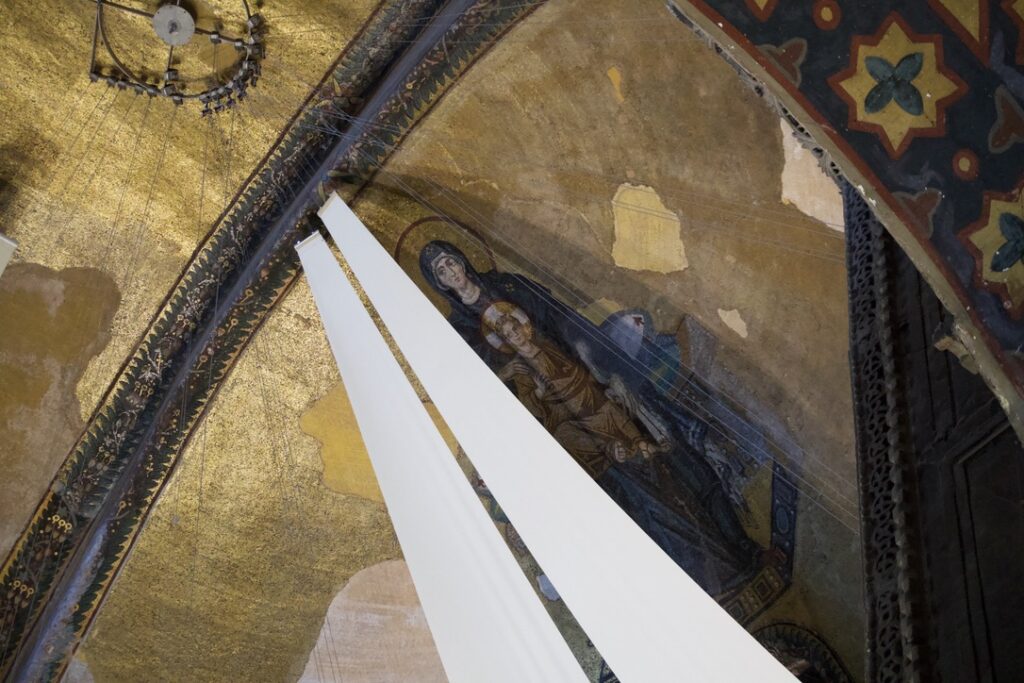
Mary was peeking out from behind a curtain:
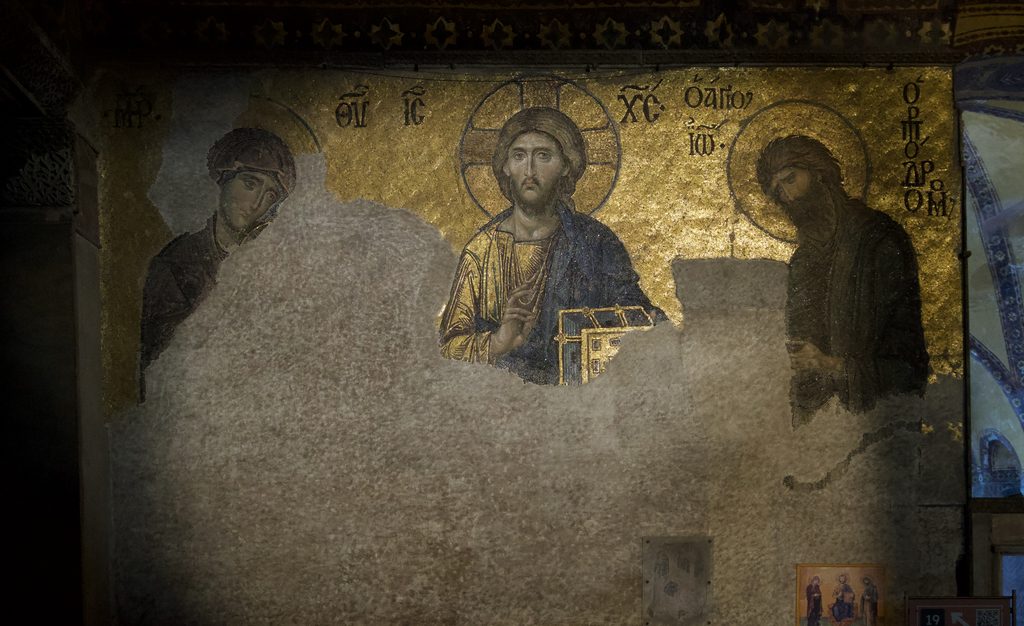
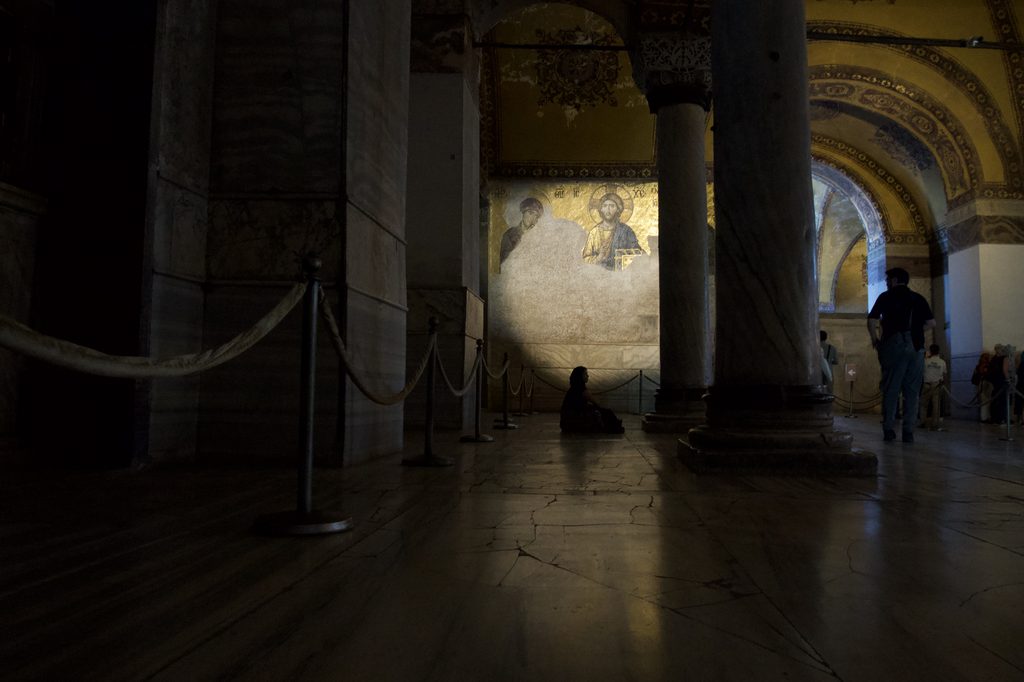
The great image of the deisis leapt from the darkness:
People were moved to pause and stop before the image:
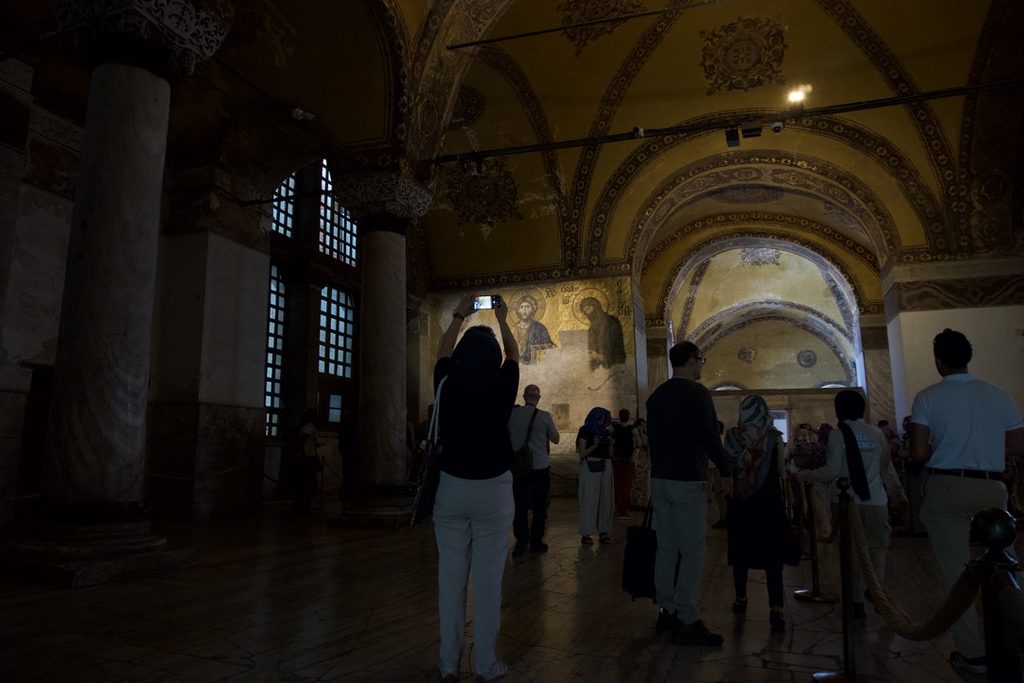
Others were busy capturing memories via electronics:
The visit to the great Hagia Sofia and especially to the deisis offered a first key that has inspired my attempt to take photos since then. Look; absorb; feel; notice; then, go back to the start and take photos that might help you touch the same truths you were perceiving on the first pass.